Protecting a home’s long-term value is not just about making it look better. The most important projects are often the ones that prevent damage, improve efficiency, preserve comfort, and keep the property safe. Fresh paint and new décor can make a home feel updated, but the projects that truly protect value usually happen behind the scenes or in areas homeowners do not always think about first.
A well-maintained home is easier to live in, easier to insure, and easier to sell when the time comes. Buyers often notice whether a home has been cared for, and inspectors can usually uncover problems that have been ignored for too long. Small issues like slow leaks, worn shingles, poor drainage, or neglected mechanical systems can turn into expensive repairs if left unchecked.
The good news is that homeowners do not need to do everything at once. A smart plan focuses on the projects that reduce risk first, then moves on to upgrades that improve comfort, appearance, and daily use. By taking a practical approach, you can make steady improvements that protect your investment for years.
Check the Top of the Home First
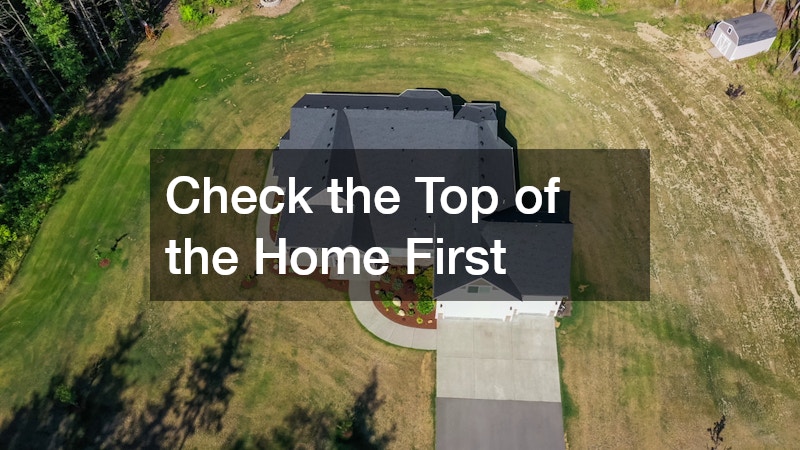
The roof is one of the most important parts of a house because it protects everything underneath it. When it starts to fail, the damage can spread quickly. A small leak can lead to stained ceilings, damaged insulation, rotting wood, mold growth, and even structural problems. That is why roof maintenance should be treated as a value-protection project, not just a repair.
Homeowners should inspect their roof from the ground at least a few times a year, especially after heavy storms. You do not need to climb on the roof to notice obvious warning signs. Look for missing shingles, sagging areas, damaged flashing, or debris in valleys. Inside the home, watch for water stains, bubbling paint, musty smells, or damp attic insulation.
It is worth contacting local roofers when you notice early signs of wear rather than waiting for an active leak. A minor repair today can help prevent thousands of dollars in damage later.
Warning signs to watch for include:
- Missing, cracked, or curling shingles
- Granules collecting in gutters
- Water stains on ceilings or walls
- Leaks around chimneys, vents, or skylights
- Moss or algae growth
- Sagging rooflines
- Damaged or separated flashing
Keep records of inspections and repairs. If you sell the home later, documentation can help show buyers that the property has been maintained responsibly.
Keep Heat Reliable Before Cold Weather Hits
A reliable heating system protects comfort, safety, and property value. When a heating system struggles, the home can become uncomfortable and expensive to operate. In colder climates, inconsistent heating can also pose greater risks, including frozen pipes, moisture issues, and damage to finishes.
Annual maintenance is one of the simplest ways to extend the life of heating equipment. Service appointments can catch worn parts, dirty filters, airflow problems, and performance issues before the system fails. It is best to schedule service before cold weather arrives, since heating professionals often become much busier once temperatures drop.
For homes that rely on home heating oil, it is also important to monitor fuel levels and delivery schedules. Running out of fuel during a cold period can create stress, emergency costs, and possible system issues. Homeowners should also pay attention to unusual smells, uneven heat, strange noises, or rising energy bills.
Helpful heating maintenance habits include:
- Scheduling annual service before peak season
- Replacing or cleaning filters regularly
- Keeping vents and radiators clear
- Checking thermostat performance
- Watching for soot, odors, or unusual sounds
- Tracking fuel usage and delivery timing
- Sealing drafts around windows and doors
A heating system does not need to be brand new to support property value, but it should be safe, reliable, and well-maintained.
Prevent Water Problems Before They Spread
Water can cause some of the most expensive and stressful home repairs. Plumbing leaks, drainage problems, and waste system failures can damage floors, walls, foundations, landscaping, and indoor air quality. Because these problems often begin quietly, homeowners should take early warning signs seriously.
Slow drains, recurring clogs, sewage odors, wet spots in the yard, and gurgling pipes should not be ignored. These symptoms may indicate deeper issues that require professional attention. Septic services are especially important for homes that are not connected to a municipal sewer system. Routine pumping and inspections can help prevent backups, drain field damage, and emergency repairs.
Plumbers should be called when leaks, pressure changes, water heater issues, or recurring clogs become noticeable. Even a small hidden leak can waste water and damage surrounding materials over time.
Common warning signs include:
- Slow drains throughout the home
- Gurgling sounds from pipes
- Sewage odors indoors or outdoors
- Wet or unusually green patches in the yard
- Low water pressure
- Stains around ceilings, walls, or cabinets
- Unexplained increases in water bills
- Toilets that clog or run frequently
Homeowners can also protect these systems with better daily habits. Avoid pouring grease down drains, flushing wipes, or using harsh chemicals that may damage pipes or septic balance. Prevention is usually much less expensive than cleanup.
Make Mechanical Systems Easier to Trust

Heating, cooling, and ventilation systems affect comfort, efficiency, and buyer confidence. A home with unreliable temperature control can feel poorly maintained, even if the finishes look nice. When mechanical systems are neglected, they may run inefficiently, break down more often, and shorten their useful life.
HVAC companies can inspect equipment, clean components, test performance, and recommend repairs before a system fails. Regular tune-ups can also help homeowners determine whether a replacement may be imminent. This gives them time to budget rather than react to an emergency.
Signs that a system needs attention include uneven temperatures, weak airflow, loud operation, short cycling, frequent repairs, or rising utility bills. These issues can come from aging equipment, dirty filters, duct problems, or poor insulation.
To protect long-term value, homeowners should:
- Replace filters on schedule
- Keep outdoor units clear of leaves and debris
- Schedule seasonal maintenance
- Seal visible duct leaks when possible
- Use programmable or smart thermostats wisely
- Keep vents open and unobstructed
- Address humidity problems early
Mechanical improvements work best when paired with basic efficiency upgrades. Air sealing, insulation, and proper ventilation can reduce strain on equipment and make the home more comfortable year-round.
Repair Safety and Structure Before Cosmetic Updates
Cosmetic updates are tempting because they are easy to see. However, structural and safety-related repairs should usually come first. A beautiful room does not protect property value if the deck is unsafe, exterior trim is rotting, stairs are loose, or water-damaged materials are hidden behind fresh paint.
Construction companies can handle larger repairs, including framing, additions, exterior work, and major structural changes. These projects often require planning, permits, and experienced oversight. For smaller yet important interior improvements, a home remodeling contractor can help address problems while improving how the space functions.
When deciding what to tackle first, ask one question: “Will this problem get worse if I wait?” If the answer is yes, it should move higher on the project list. Repairs that stop damage from spreading are usually more important than upgrades that only improve appearance.
Turn Unused Space Into Useful Square Footage
A finished living space can support long-term property value when it is planned correctly. Basements are a common opportunity because they often provide extra square footage without changing the home’s footprint. A finished basement can become a family room, office, guest area, gym, playroom, or hobby space.
However, basements need careful planning. Moisture problems must be solved before flooring, drywall, or furniture is added. Covering up dampness without fixing the cause can lead to mold, odors, damaged finishes, and wasted money.
A basement remodeler can help homeowners think through moisture control, insulation, lighting, layout, storage, and code requirements. This is especially helpful if the basement will include bedrooms, bathrooms, or entertainment areas.
A practical finished basement should feel dry, bright, and flexible. Avoid over-customizing the space in a way that limits future use. A clean, comfortable, multipurpose room often appeals to more people than a very specific layout.
Keep the Property Clean and Well-Preserved
Cleanliness plays a bigger role in property value than many homeowners realize. Dirt, moisture, dust, and grime can wear down surfaces over time. A clean home also feels better maintained, which matters for both daily living and future resale.
Home cleaning companies can help with seasonal deep cleaning, move-out preparation, or periodic maintenance when homeowners do not have time to tackle every detail. Professional cleaning can be especially useful before listing a home, after renovation work, or during seasonal resets.
Deep cleaning also helps homeowners spot maintenance problems earlier. While cleaning under sinks, around appliances, or near windows, you may notice leaks, pests, damaged caulk, or signs of moisture. Catching these issues early helps prevent bigger repairs.
A seasonal checklist can make cleaning feel manageable. Rather than trying to do everything at once, divide tasks by month or season. Consistency is what protects surfaces over the long term.
Think About What Future Buyers Expect
Even if you do not plan to sell soon, it is wise to make improvements that will still make sense years from now. Buyer expectations change over time, but some features continue to hold broad appeal: functional kitchens, updated bathrooms, good storage, efficient systems, clean finishes, and practical layouts.
Homeowners can learn a lot by looking at what is commonly included in a new construction home. Newer homes often reflect current expectations around storage, energy efficiency, open but usable layouts, mudrooms, laundry areas, and low-maintenance materials.
That does not mean every older home should be remodeled to look brand new. In fact, preserving character can be valuable. The goal is to combine charm with function. An older home with updated systems, clean finishes, and practical spaces can be very appealing.
Future-friendly improvements include:
- Better storage in kitchens and bathrooms
- Updated lighting
- Durable flooring
- Efficient windows and doors
- Fresh exterior finishes
- Practical laundry areas
- Neutral paint colors
- Improved energy efficiency
- Flexible rooms for work or guests
Try to avoid choices that are too personal or trendy in permanent materials. Bold paint is easy to change. Unusual tile, flooring, or cabinetry is much harder and more expensive to undo.
Keep Records for Every Major Project
Documentation is a simple but powerful way to protect property value. When homeowners keep records of repairs, maintenance, warranties, and upgrades, they create a clear history of care. This can be helpful for resale, insurance questions, future troubleshooting, and budgeting.
Buyers often feel more confident when they can see that work was done properly. Receipts, permits, inspection reports, and service records show that the home has not been neglected. They also make it easier to answer questions during the selling process.
Important records to keep include:
- Contractor invoices
- Permit documents
- Inspection reports
- Product warranties
- Appliance manuals
- Roof repair records
- Heating and cooling service dates
- Plumbing repair receipts
- Septic pumping records
- Before-and-after photos
Digital organization makes this easier. Create folders by year or project type and store photos, PDFs, and scanned receipts. A simple system is better than a perfect one you never use.
Create a Yearly Plan Instead of Reacting

Protecting long-term property value is easier when maintenance becomes routine. Emergency repairs are stressful and often more expensive. A yearly plan helps homeowners spread out tasks, budget more realistically, and catch problems before they grow.
Start by walking the property twice a year. Take photos of the roof, siding, foundation, basement, mechanical equipment, windows, and outdoor drainage areas. Comparing photos over time can help you notice changes that might otherwise be missed.
It also helps to set aside money every month for repairs. Even a small maintenance fund can reduce stress when something needs attention. Homes age constantly, so repairs should be expected rather than treated as surprises.
Long-term property value depends on care, consistency, and smart priorities. The most valuable projects are not always the most dramatic. Often, they are the repairs and upgrades that prevent damage, improve reliability, and keep the home safe, clean, and comfortable.
Homeowners should focus first on the systems and areas that protect the property from costly problems. A strong roof, reliable heating and cooling, well-maintained plumbing, proper drainage, solid structure, and clean living spaces all support long-term value. Once those priorities are handled, cosmetic upgrades become more worthwhile because they are built on a stronger foundation.
The best approach is to make a realistic plan, keep good records, and handle small problems before they become major repairs. With steady attention and practical choices, homeowners can protect their investment and enjoy a home that works better year after year.