Many homeowners don’t think about maintenance until something goes wrong. A slow drain, a small leak, or standing water outside might not seem urgent, but these small warning signs often indicate deeper issues developing behind the scenes. Unfortunately, by the time these problems become obvious, they’ve often already caused damage that is expensive and time-consuming to fix.
Home systems are interconnected, and neglecting one area can quickly impact others. A clogged drain can increase pressure in your pipes, a blocked gutter can lead to foundation issues, and minor leaks can quietly damage walls and flooring over time. These problems rarely happen overnight-they build gradually.
The key to avoiding costly repairs is consistency. With a proactive approach and a clear maintenance plan, you can catch problems early, reduce wear and tear, and protect your home long-term. This guide breaks down exactly how to do that.
Spot Early Warning Signs Before Small Issues Turn Expensive
One of the most important habits homeowners can develop is paying attention to subtle changes in their home. Small irregularities are often the first signs that something isn’t working properly, and catching them early can make the difference between a quick fix and a major repair. Many people ignore these warning signs simply because they don’t seem urgent, but that delay is where costs begin to rise.
Subtle Signs That Often Go Ignored
- Slightly slower drains than usual
- Occasional pipe noises like knocking or gurgling
- Damp or musty smells under sinks
- Minor fluctuations in water pressure
- Small water stains on ceilings or walls
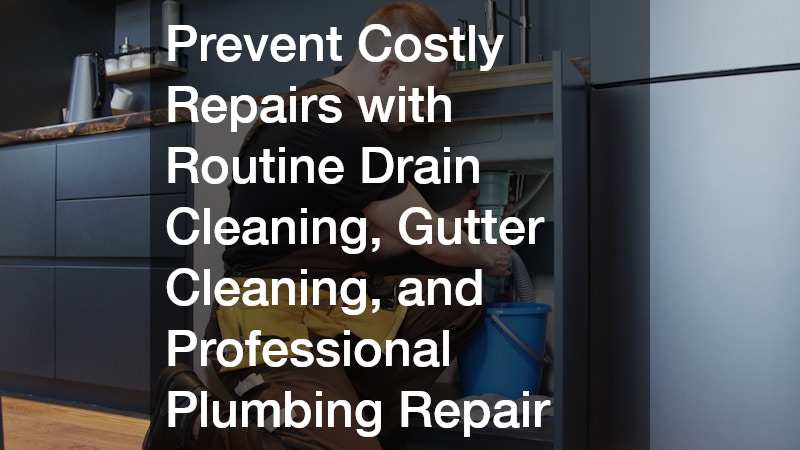
These issues often indicate underlying problems that require plumbing repair before they worsen.
Why Early Detection Matters
When caught early, many problems can be resolved quickly and affordably. If ignored, they can lead to:
- Mold growth from hidden moisture
- Structural damage to cabinets, walls, or floors
- Increased water bills from undetected leaks
- Emergency repairs that cost significantly more
Monthly Inspection Routine
Set aside time each month to:
- Inspect exposed pipes for leaks or corrosion
- Check under sinks for moisture
- Look for discoloration on ceilings
- Run all faucets and listen for irregular sounds
If anything seems off or persists over time, it’s best to call a plumber before the issue escalates.
Create a Simple Seasonal Maintenance Schedule That Actually Works
Maintaining your home doesn’t have to feel overwhelming. Breaking tasks into seasonal routines makes the process manageable and ensures that nothing important is overlooked. Each season presents unique challenges, so adjusting your maintenance accordingly helps prevent issues before they start.
Why Seasonal Planning Is Effective
Your home experiences different stresses throughout the year. Cold weather can freeze pipes, heavy rains can overwhelm drainage systems, and increased summer usage can strain your plumbing. A structured schedule helps you stay ahead of these changes.
Seasonal Maintenance Breakdown
Spring
- Inspect for leaks after winter
- Test drainage systems after snowmelt
- Check outdoor water lines
Summer
- Monitor water usage for unusual increases
- Inspect irrigation systems
- Look for early signs of drainage issues
Fall
- Clear debris from exterior areas
- Prepare for heavy rainfall
- Schedule preventative inspections
Winter
- Insulate exposed pipes
- Monitor indoor temperatures
- Check for freezing risks
Staying Consistent
Using reminders, checklists, or working with a plumbing company can help ensure these tasks are completed regularly. Consistency is what prevents small problems from becoming large ones.
Prevent Clogs Before They Start with Smart Daily Habits
Clogged drains are one of the most common issues homeowners face, but they rarely happen suddenly. Instead, they develop gradually due to everyday habits that seem harmless in the moment. Understanding how clogs form can help you prevent them entirely, saving you time, money, and frustration.
How Clogs Develop Over Time
- Grease cools and hardens inside pipes
- Hair combines with soap residue to form blockages
- Food particles accumulate and restrict water flow
Daily Habits That Make a Difference
- Avoid pouring grease or oil down the drain
- Use strainers to catch debris
- Run hot water after using the sinks
- Dispose of food waste properly
Monthly Maintenance Steps
- Flush drains with boiling water
- Use natural cleaning solutions
- Clean drain covers and stoppers
When Professional Help Is Needed
If you notice recurring slow drains or multiple clogs, it’s time for a drain cleaning service. Professionals can remove buildup deep within your system that household methods can’t reach.

Choose the Right Experts for Long-Term System Health
Choosing the right professionals is just as important as maintaining your home itself. The quality of work you receive can either solve problems long-term or lead to repeated issues that cost more over time. Many homeowners focus only on price, but expertise and reliability should be the priority.
Why Choosing the Right Provider Matters
Poor workmanship can result in:
- Incomplete repairs
- Misdiagnosed problems
- Repeated service calls
What to Look For
- Proper licensing and insurance
- Strong customer reviews
- Transparent pricing
- Use of modern tools and technology
Questions to Ask
- What is causing the issue?
- Are there preventative solutions?
- How long will the repair last?
A trusted drain cleaning company and a reliable plumbing company will focus on long-term solutions rather than quick fixes.
Keep Water Flowing Efficiently with Proactive System Care
Efficiency plays a major role in the longevity of your home’s systems. When water flows freely, your pipes experience less stress and are less likely to fail. Over time, however, buildup and wear can reduce efficiency and create pressure within your system.
What Causes Reduced Efficiency
- Mineral deposits from hard water
- Debris buildup inside pipes
- Gradual corrosion
Signs to Watch For
- Weak or inconsistent water pressure
- Slow drainage across multiple fixtures
- Frequent minor clogs
Preventative Actions
- Schedule regular inspections
- Address small leaks immediately
- Avoid harsh chemical cleaners
Combining routine drain cleaning with timely plumbing repair ensures your system stays efficient and reduces long-term damage.
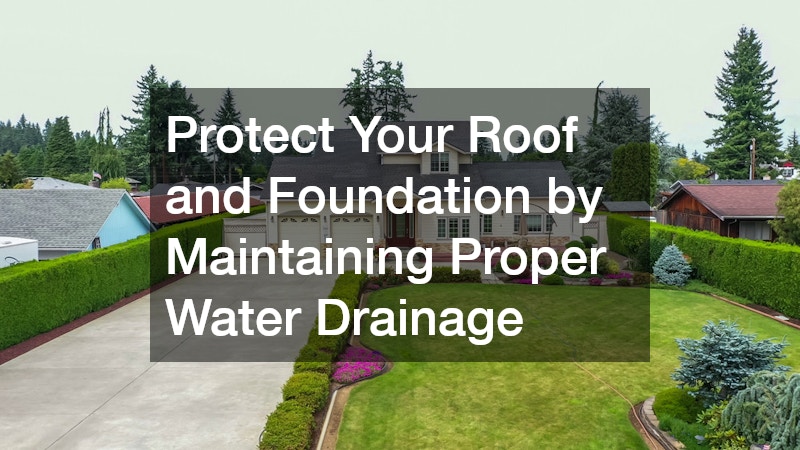
Protect Your Roof and Foundation by Maintaining Proper Water Drainage
Water management is one of the most important aspects of home maintenance. When water is not properly directed away from your home, it can cause serious damage to both your roof and foundation. These types of repairs are often among the most expensive homeowners face.
Risks of Poor Drainage
- Water pooling near your foundation
- Soil shifting and expansion
- Basement flooding
- Roof and siding damage
Gutter Maintenance Essentials
- Remove leaves and debris regularly
- Check for sagging or damage
- Ensure downspouts direct water away
Learning how to properly clean gutter systems is essential for preventing overflow and protecting your home’s structure.
When to Seek Help
If water is not draining properly or issues persist, a drain cleaning service can help restore proper flow and prevent long-term damage.
Avoid Major Renovations by Addressing Pipe Aging Early
Pipes naturally wear down over time, but many homeowners don’t think about them until something goes wrong. Aging pipes can lead to leaks, reduced water quality, and system failure if not addressed early.
Why Pipes Deteriorate
- Corrosion from water and minerals
- Material breakdown over time
- Environmental factors
Warning Signs
- Discolored water
- Frequent leaks
- Reduced water pressure
Long-Term Solutions
A repipe specialist can assess your system and recommend upgrades that improve durability and performance.
Why Early Action Matters
Replacing aging pipes before they fail can prevent:
- Water damage
- Mold growth
- Costly renovations
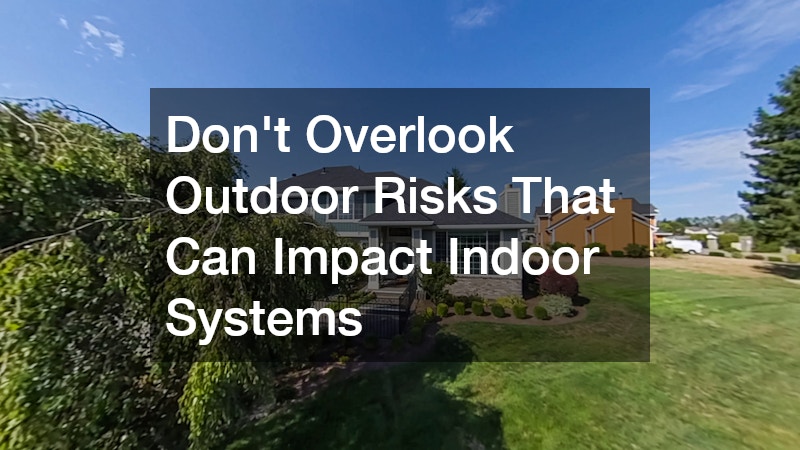
Don’t Overlook Outdoor Risks That Can Impact Indoor Systems
Your home’s exterior environment has a direct impact on what happens inside. Landscaping, pests, and drainage all play a role in the health of your plumbing system.
Common Outdoor Threats
- Tree roots are invading pipes
- Pests damaging underground systems
- Poor drainage is causing water buildup
Preventative Strategies
- Maintain proper yard grading
- Keep vegetation away from pipes
- Schedule regular lawn pest control
Routine Checks
- Look for soggy areas in your yard
- Inspect foundation edges
- Monitor plant growth near pipes
If issues arise, a plumber can inspect underground systems and prevent further damage.
Combine Exterior Maintenance for Maximum Protection
Your home’s exterior systems work best when they are maintained together rather than individually. Water drainage, landscaping, and pest control are all connected, and neglecting one area can weaken the others. Taking a holistic approach allows you to create a more effective defense against common problems like water damage, soil erosion, and structural wear.
Why a Combined Approach Works
- Gutters direct water away from your home
- Landscaping controls how water is absorbed
- Pest control protects soil and structures
Monthly Checklist
- Inspect and clean gutter systems
- Check for standing water
- Monitor pest activity
- Clear debris from drainage areas
Seasonal Enhancements
- Inspect after storms
- Prepare drainage systems before winter
- Refresh landscaping in spring
Combining clean gutter maintenance with lawn pest control creates a stronger, more reliable system.
Build a Long-Term Maintenance Plan That Saves Thousands
A long-term maintenance plan helps you stay organized, reduce stress, and avoid unexpected expenses. Without a plan, maintenance becomes reactive, which often leads to higher costs and more extensive repairs.
Why Planning Is Important
Preventative care is always more affordable than emergency repairs. A structured plan allows you to spread out costs and stay ahead of potential issues.
Recommended Schedule
- Annual inspections
- Deep cleaning every 1–2 years
- Seasonal maintenance checks
Budgeting Tips
- Set aside funds for maintenance
- Bundle services when possible
- Track expenses over time
Working with a reliable drain cleaning company and scheduling regular drain cleaning service appointments ensures your system remains in good condition.
Record Keeping
- Keep maintenance logs
- Save receipts and reports
- Track recurring issues
This information helps professionals diagnose problems more efficiently and prevents repeated costs.
Small Maintenance Today, Major Savings Tomorrow
Preventive maintenance is one of the smartest investments you can make as a homeowner. By staying proactive, building simple routines, and addressing small issues early, you can avoid major repairs and protect your home for years to come.
A little effort today can save you significant time, money, and stress in the future.