
Property Maintenance Tips Designed for Real Life in Family Homes
Maintaining a family home is rarely about perfection. It is about function, safety, comfort, and long-term value while juggling work schedules, school calendars, and the daily realities of life. Homes are lived in, not staged, and effective upkeep has to work within that context. A practical approach focuses on consistency over intensity, allowing homeowners to stay ahead of issues without feeling overwhelmed or reactive.
Families experience unique wear and tear. High-traffic hallways, constantly used kitchens, changing storage needs, outdoor spaces that double as play areas, and mechanical systems that never seem to get a break all demand attention. A realistic maintenance plan does not assume unlimited time or expertise. Instead, it prioritizes the areas that affect safety, livability, and future repair costs, while allowing flexibility when life inevitably intervenes.
The goal of long-term care is not to fix everything at once, but to build habits that reduce emergencies and protect investments. Understanding how systems interact, planning around seasonal needs, and knowing when professional support is necessary all contribute to a sustainable strategy. The following sections break down practical approaches that align with how families actually live, helping homeowners manage their space with confidence rather than stress.
Building Daily and Seasonal Routines That Prevent Bigger Problems
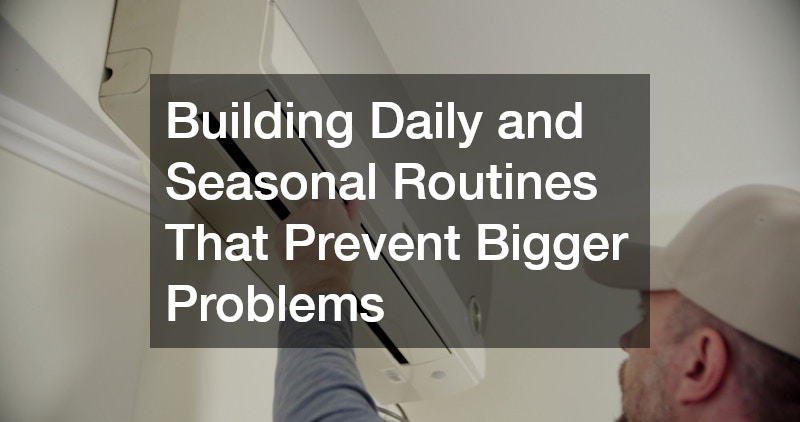
Strong maintenance habits begin with small, repeatable actions that fit into everyday family life. Homes benefit most when attention is consistent rather than reactive, and this is where effective property maintenance tips play a critical role. When homeowners integrate light inspections and seasonal check-ins into their routines, they reduce the likelihood of major failures that disrupt schedules and budgets.
Daily habits might include keeping entryways clear, wiping up moisture quickly, and paying attention to unfamiliar noises or smells. These small signals often indicate developing problems such as leaks, electrical strain, or ventilation issues. Seasonal routines expand on this by aligning maintenance tasks with environmental changes. Spring and fall are ideal times to inspect exterior surfaces, gutters, and drainage, while summer and winter demand attention to HVAC performance and insulation effectiveness.
Families benefit from visual reminders, shared calendars, and simple checklists that make upkeep manageable. Involving children in age-appropriate tasks not only distributes responsibility but also builds awareness of how the home functions. Tasks like replacing HVAC filters, testing smoke detectors, or checking hose connections become learning opportunities rather than chores.
Certain maintenance needs also depend on property layout and location. Rural or semi-rural homes may require attention to storage areas, utility spaces, or outbuildings that hold farming supplies, ensuring that tools and materials are stored safely and do not attract pests or moisture damage. These checks protect both the structure and the surrounding environment. Over time, families who follow consistent routines notice fewer surprises and more predictability. Systems last longer, repair costs decrease, and the home becomes easier to manage. Establishing these rhythms early allows homeowners to stay proactive without sacrificing time or energy needed for everyday responsibilities.
Managing Outdoor Spaces Without Letting Them Become a Burden
Outdoor areas often receive attention only when something goes wrong, yet they play a significant role in property health. Yards, trees, driveways, and drainage systems all influence how water moves around a home and how structural elements age. Applying thoughtful property maintenance tips to exterior spaces helps families maintain safety and functionality without constant upkeep.
Tree health is one of the most overlooked aspects of exterior maintenance. Overgrown branches can threaten roofs, power lines, and vehicles, while diseased trees pose serious safety risks. Proactively scheduling tree removal services when necessary prevents damage during storms and protects surrounding structures. Even healthy trees benefit from routine trimming to encourage proper growth and airflow. Hardscape surfaces also deserve attention. Cracks in walkways or driveways may seem cosmetic at first, but they allow water intrusion that worsens with freezing and thawing cycles. Addressing small issues early preserves both appearance and structural integrity. Families who maintain outdoor surfaces reduce tripping hazards and extend the life of paved areas.
Gardens and landscaping should enhance, not complicate, daily life. Choosing low-maintenance plants and visiting a nursery and garden center for guidance can help families select options that thrive locally with minimal intervention. Proper plant placement prevents root intrusion near foundations and utility lines. When outdoor maintenance is approached strategically, it becomes manageable rather than overwhelming. Regular walk-throughs, seasonal planning, and early intervention allow families to enjoy their outdoor spaces without constant repair demands or unexpected expenses.

Protecting Plumbing Systems From Wear, Clogs, and Costly Repairs
Plumbing issues are among the most disruptive problems families face, often emerging suddenly and requiring immediate attention. A preventative approach built on realistic property maintenance tips can significantly reduce the risk of leaks, backups, and water damage that interrupt daily routines.
Understanding how water flows through the home is the first step. High-use areas such as kitchens, bathrooms, and laundry rooms place constant demand on pipes and fixtures. Small leaks under sinks, slow drains, or fluctuating water pressure often signal underlying issues that worsen over time if ignored. Regular visual checks and listening for unusual sounds can help identify concerns early.
Drain care is particularly important in family homes where food scraps, hair, and soap residue accumulate quickly. Avoiding chemical drain cleaners and opting for mechanical cleaning or professional assessment protects pipes from corrosion. In older properties, monitoring sewer line performance is critical, and scheduling inspections with local sewer repair professionals can prevent unexpected backups.
Seasonal temperature changes also impact plumbing systems. Pipes in unheated areas should be insulated before winter to prevent freezing, while outdoor spigots and irrigation lines require proper shutdown procedures. Teaching family members what not to flush or pour down drains reinforces shared responsibility for system health.
By addressing plumbing proactively, families maintain reliable water access and avoid emergencies that disrupt work, school, and household schedules. These preventative measures create peace of mind while extending the lifespan of essential systems.
Maintaining Structural Surfaces That Support Everyday Life
Structural surfaces such as floors, walls, and foundations absorb daily wear from family activity. From moving furniture to children playing indoors, these elements experience constant stress. Thoughtful property maintenance tips help homeowners preserve both safety and appearance while avoiding unnecessary renovations.
Interior surfaces benefit from routine inspection and timely repair. Small cracks in drywall, loose tiles, or uneven flooring may indicate settling or moisture issues. Addressing these signs early prevents more extensive damage and maintains a safe living environment. Using appropriate materials and techniques ensures repairs hold up to regular use. Exterior structural surfaces are equally important. Driveways, patios, and walkways support vehicles and foot traffic daily. Crumbling edges or surface depressions compromise safety and drainage. Partnering with asphalt paving services when resurfacing is necessary helps families maintain durable, weather-resistant access points.
Foundations deserve special attention, as they support the entire structure. Monitoring for water pooling near the base of the home and ensuring proper grading reduces the risk of cracks and shifting. Downspouts should direct water away from the foundation to minimize erosion. Structural maintenance is not about aesthetics alone. It directly impacts safety, accessibility, and long-term property value. Families who prioritize these surfaces reduce hazards and create spaces that remain functional as needs evolve.

Balancing DIY Projects With Professional Support
Many homeowners enjoy tackling small projects themselves, but knowing where to draw the line is essential. Effective property maintenance tips emphasize balance—handling manageable tasks independently while recognizing when professional expertise is required.
Routine fixes such as tightening hardware, replacing fixtures, or patching minor wall damage are often well within a homeowner’s skill set. However, more complex systems demand caution. Electrical, plumbing, and structural work can introduce serious risks if performed incorrectly. Families benefit from identifying reliable handyman services for tasks that exceed comfort levels but do not require specialized contractors.
Safety training also plays a role in responsible maintenance. Watching a fire sprinkler training video can help homeowners understand system operation and emergency response procedures, even if actual servicing is left to professionals. Knowledge empowers families to act quickly and safely when issues arise.
Establishing relationships with skilled professionals before emergencies occur reduces stress and response times. Trusted contacts provide guidance, maintenance reminders, and realistic assessments of repair priorities. This approach allows families to maintain control over their homes without unnecessary risk. Balancing DIY efforts with professional assistance protects both the home and the people living in it. It ensures work is completed correctly while allowing homeowners to stay actively involved in maintaining their space.
Organizing Tools and Equipment for Safe, Efficient Maintenance
Planning Long-Term Improvements Without Disrupting Family Life
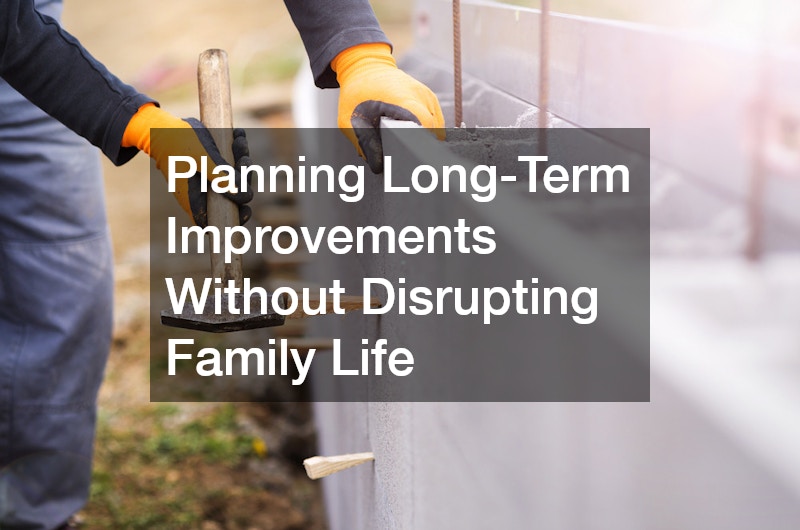
Long-term upgrades require thoughtful planning to avoid unnecessary disruption. Families benefit from phased improvement strategies grounded in realistic property maintenance tips that prioritize essential systems before cosmetic enhancements. This approach allows homeowners to make steady progress without overwhelming household routines or creating prolonged inconvenience.
Planning begins with assessment. Identifying aging systems, outdated materials, or inefficiencies allows homeowners to plan upgrades gradually instead of reacting to failures. Structural reinforcements, for example, may involve specialized components such as rebar fabrication services when reinforcing concrete areas. Scheduling this work strategically minimizes interference with daily routines and helps ensure that projects are completed efficiently rather than rushed.
Budgeting plays a critical role in long-term success. Breaking projects into stages allows families to manage costs while maintaining momentum over time. Coordinating upgrades with seasonal needs, such as completing exterior work during warmer months, improves efficiency, reduces labor challenges, and helps avoid weather-related delays that can stall progress. Communication within the household is equally important. Setting expectations around timelines, access limitations, and temporary inconveniences helps everyone adapt more easily. Involving family members in planning fosters cooperation, reduces frustration, and makes transitions smoother during construction or renovation periods.
Long-term improvements are most successful when aligned with how families live, move, and use their space every day. By approaching upgrades strategically, homeowners protect property value while maintaining comfort, functionality, and stability throughout the process.
Creating a Maintenance Mindset That Evolves With Your Family
Homes change as families grow, and maintenance strategies must evolve accordingly. Effective property maintenance tips recognize that needs shift over time, requiring flexibility and ongoing evaluation.
New families may focus on safety features, while growing households prioritize durability and space optimization. Empty nesters may shift attention to efficiency and accessibility. Regular reassessment ensures maintenance plans remain relevant and effective. Education supports adaptability. Staying informed about new materials, techniques, and safety standards empowers homeowners to make informed decisions. Periodic professional inspections provide objective insight into emerging concerns.
Ultimately, a maintenance mindset is about stewardship rather than perfection. Families who approach upkeep with intention and consistency create homes that support daily life while retaining long-term value. This mindset fosters confidence, reduces stress, and ensures the home remains a reliable foundation for every stage of family life.