Creating a home that feels like a sanctuary is more than just a matter of aesthetics; it is about finding a delicate balance between function, comfort, and personal expression. When we walk through our front doors, the atmosphere should immediately provide a sense of relief and belonging. Achieving this harmony involves a comprehensive approach that looks beyond the surface-level decor. It requires a thoughtful evaluation of how we interact with our living spaces and the systems that keep them running smoothly. From the temperature of the air to the durability of the exterior walls, every detail contributes to the overarching feeling of a home. In the following sections, we will explore the various facets of home design and maintenance that work together to create an environment that is both beautiful and resilient.
A balanced home is one where the technical elements are in perfect sync with the visual elements. It is easy to get caught up in choosing the right shade of throw pillow or the perfect rug, but true comfort is often dictated by the invisible factors. This includes the quality of the indoor climate and the reliability of the home’s infrastructure. By taking a holistic view of home improvement, homeowners can ensure that their investments not only look good but also enhance their quality of life. Whether you are planning a complete overhaul or making incremental changes, the goal remains the same: to foster a space that supports your physical and emotional well-being.
Prioritizing Internal Climate Control For Comfort
The foundation of a harmonious home starts with the environment you cannot see. Temperature regulation is the most immediate factor affecting how we feel in a room. If a space is too humid in the summer or drafty in the winter, the most expensive Italian leather sofa won’t make it comfortable. This is why many homeowners prioritize consistent check-ups with a professional heating and air conditioning service. By ensuring that the mechanics of your climate control system are operating at peak efficiency, you eliminate the stress of sudden breakdowns and uneven temperatures across different floors.
Beyond simple maintenance, the layout of your home’s ductwork and the placement of vents play a significant role in interior design. Modern systems are designed to be unobtrusive, allowing your architectural features to shine without the distraction of bulky, outdated units. Engaging with a reliable HVAC Service allows you to integrate these systems seamlessly into your decor. When the air is filtered and the temperature is steady, the home feels lighter and more inviting, providing the perfect canvas for your design choices to take center stage.
Investing In Permanent Air Solutions
For those living in older homes or undertaking major renovations, the cooling system is often a primary concern. Window units can be noisy and visually disruptive, breaking the clean lines of a well-designed room. A more permanent and aesthetically pleasing option is a central air installation service, which provides whole-home cooling without compromising your windows or interior flow. This upgrade is a major step toward long-term harmony, as it quietens the home environment and ensures every corner remains usable even during record-breaking heatwaves.
Maintaining these systems is equally vital for a peaceful home life. There is nothing more disruptive to a relaxing weekend than a failing cooling unit. Having a list of trusted ac repair specialists on hand ensures that any minor issues are addressed before they become major stressors. This proactive approach to home management prevents the physical discomfort that can lead to a sense of chaos in the home. When the “bones” of the house are working correctly, the resident can focus entirely on the joy of decorating and living.
Enhancing Outdoor Living Spaces For Relaxation
The concept of home design no longer stops at the back door. The transition from indoor to outdoor living is a hallmark of modern, balanced design. A well-maintained backyard can serve as an extension of your living room, providing a space for reflection and social gathering. If you have an existing water feature that has seen better days, a professional Pool renovation can transform a dated, cracked area into a luxurious oasis. Updating the tiling, surface finish, and surrounding deck area creates a visual continuity between your indoor style and the natural world outside.
To truly enjoy these outdoor spaces after the sun goes down, lighting is essential. Subtle, well-placed lights can highlight architectural features, pathways, and mature trees, creating a magical atmosphere. Consulting with a professional landscape lighting company can help you design a scheme that is functional yet artistic. Use lighting to draw the eye to the best parts of your landscape, extending the usable hours of your property and providing a sense of security and warmth that contributes to the home’s overall harmony.
Upgrading Exterior Finishes For Lasting Appeal
Curb appeal is the first impression your home makes on the world, and it sets the tone for what lies inside. Using high-quality materials on the exterior not only protects the structure but also adds a layer of sophistication. Many homeowners are turning to stone veneer companies to add texture and depth to their facades. Whether it’s a full stone wrap or subtle accents around the entrance, stone adds a timeless, organic feel that grounds the house in its environment. It suggests a sense of permanence and quality that paint alone cannot achieve.
However, color remains one of the most powerful tools in a designer’s kit. A fresh coat of paint in a contemporary palette can completely redefine a home’s silhouette. When selecting your colors, visiting a specialized exterior paint store is highly recommended. Professional-grade paints offer better UV resistance and durability, ensuring that your chosen hue stays vibrant for years. A cohesive color scheme that coordinates with your stone features and landscaping will create a visual rhythm that is deeply satisfying to the eye.
Managing Essential Infrastructure Behind The Scenes
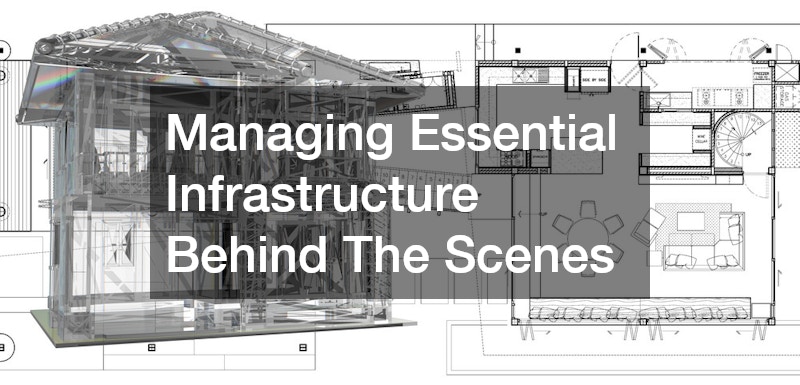
True harmony in a home is also about the things you don’t want to think about. For properties not connected to a city sewer line, the waste management system is a critical component of a healthy living environment. Neglecting this area can lead to unpleasant odors and environmental hazards that ruin the peace of your home. Scheduling a regular septic tank pumping service is an essential maintenance task that protects your property value and the health of your family. It is a behind-the-scenes necessity that allows the more visible parts of your home to remain pristine.
Consistency is key when it comes to infrastructure. By establishing a relationship with a reliable septic pumping service, you can set a recurring schedule that takes the guesswork out of home maintenance. This level of organization reduces the mental load on the homeowner, preventing the “emergency” mindset that often accompanies home ownership. When every system—from the air you breathe to the water that leaves the house—is accounted for, the result is a truly balanced and harmonious sanctuary.
Incorporating Natural Elements Into Interior Decor
Bringing nature indoors is a proven way to enhance the tranquility of a space. This “biophilic” design approach focuses on our innate connection to the natural world. Incorporating large windows that allow for natural light, using raw materials like wood and wool, and adding indoor greenery can significantly reduce stress levels. The goal is to create a seamless flow between the indoors and the outdoors, making the home feel like a part of the landscape rather than an isolated box. Plants not only act as natural air purifiers but also add a dynamic, living energy to a room.
In addition to plants, consider the use of water features or natural textures in your furniture. A wooden dining table with a live edge or a stone fireplace hearth brings a tactile quality that synthetic materials cannot replicate. These elements provide a “grounding” effect, anchoring the room and providing a focal point that feels both substantial and peaceful. By layering these natural textures with soft textiles and a neutral color palette, you create a space that feels balanced, timeless, and deeply personal.

Designing For The Human Experience
To truly reach a word count that reflects the depth of this topic, we must analyze the spatial dynamics that dictate human behavior. A balanced home is not merely a collection of rooms; it is a sequence of experiences. The entry sequence, for instance, should act as a decompression chamber. A well-designed mudroom or foyer allows the outside world to fall away. By providing a dedicated place for coats, shoes, and keys, you prevent the “clutter creep” that often begins at the front door. This organizational harmony sets a psychological precedent for the rest of the dwelling.
Transitioning from public social areas to private retreats requires careful planning of sightlines. A harmonious layout ensures that even in an open-concept home, there are pockets of privacy. Using furniture as room dividers—such as a console table behind a floating sofa—can define functional zones without the need for restrictive walls. This maintains the visual spaciousness that contributes to a light and airy feel while providing the structural definition the brain requires to feel secure and organized.
The Psychological Impact of Color and Texture
We have touched upon the exterior palette, but the interior color story is where the soul of the home is written. Neutral tones like warm whites, soft greys, and earthy taupes provide a versatile backdrop that reduces visual noise. However, harmony does not mean boredom. Contrast is essential for balance. Darker accents can ground a light-filled room, while vibrant pops of color in the form of art or textiles can inject personality and energy. The key is the ratio; a 60-30-10 rule (60% dominant color, 30% secondary, 10% accent) often yields the most balanced results.
Texture is the unsung hero of a harmonious space. In a room with a monochromatic color scheme, texture provides the necessary interest to prevent the space from feeling flat or clinical. Mixing smooth surfaces like marble or glass with tactile elements like chunky knit throws, woven baskets, and velvet upholstery creates a “layered” look. This layering appeals to the sense of touch, making the home feel cozy and lived-in rather than just staged for a photograph.

Lighting Layers and Atmospheric Control
Natural light is the most precious resource in home design, but artificial light is what defines the home’s character after sunset. To achieve balance, one must move away from the “big light” philosophy—the single overhead fixture that flattens a room’s features. Instead, aim for three layers of lighting: ambient (general illumination), task (focused light for reading or cooking), and accent (lighting that highlights art or architecture).
The temperature of the bulbs also matters. For living areas and bedrooms, warm light (around 2700K to 3000K) mimics the glow of sunset and promotes relaxation. Cooler, daylight-balanced bulbs are better suited for home offices or laundry rooms where focus is required. By utilizing dimmer switches, you can manually adjust the “energy” of a room to match the time of day, ensuring that your home’s lighting is always in sync with your circadian rhythm.
Acoustic Balance and Noise Mitigation
A peaceful home is a quiet home. Hard surfaces, while beautiful and durable, are acoustic nightmares. Sound reflects off hardwood, tile, and stone, leading to a “reverb” effect that can make a home feel cold and loud. Balancing these hard surfaces with acoustic absorbers is vital for sensory harmony. Area rugs, wall-to-wall carpeting in private zones, and heavy fabric window treatments all serve as sound-dampening tools.
In the modern era of remote work, acoustic privacy has become a top priority. Interior doors with solid cores provide significantly better sound insulation than hollow-core alternatives. If you are renovating, consider adding sound-deadening insulation to the walls between bedrooms or home offices. These invisible structural choices contribute more to the “feeling” of a harmonious home than almost any piece of furniture could.
The Art of Curation Over Collection
One of the greatest enemies of a balanced home is the accumulation of “stuff.” A harmonious home requires a ruthless commitment to curation. This involves choosing pieces that possess either significant utility or profound emotional resonance. When a room is overcrowded, the eye cannot rest, and the mind follows suit. By leaving “negative space”—empty areas on walls or floors—you allow the pieces you do have to stand out and be appreciated.
Curation also applies to the life cycles of the home. As your life changes, your home should evolve. A room that served as a nursery ten years ago may now be better suited as a hobby room or a quiet library. Regularly assessing whether your spaces still serve your current lifestyle is a form of maintenance just as important as checking your HVAC system. A home that is stuck in the past cannot provide harmony for the present.
Sustainable Luxury and Long-Term Value
Balance is also a temporal concept—it’s about the relationship between today’s desires and tomorrow’s needs. Choosing high-quality, sustainable materials is an investment in the home’s longevity. Solid wood furniture, natural stone, and wool rugs may have a higher upfront cost, but they age gracefully and can often be repaired rather than replaced. This reduces the cycle of “disposable decor” and contributes to a home that feels substantial and grounded.
Furthermore, integrating smart home technology can enhance harmony by automating the mundane. Smart thermostats that learn your schedule, automated blinds that respond to the sun’s position, and integrated security systems provide a layer of convenience that reduces daily friction. When the home “works for you” automatically, you are freed to focus on the creative and social aspects of living.
Cultivating the Spirit of the Home
Finally, we must acknowledge that harmony is not just about objects and systems; it is about the energy brought into the space. A home that is clean and organized is easier to relax in, but a home that is filled with life—laughter, music, and the aroma of good food—is truly harmonious. Design and maintenance provide the vessel, but your daily habits provide the spirit.
By dedicating time to both the “visible” design and the “invisible” infrastructure, you create a resilient foundation. This foundation allows you to weather the stresses of life, knowing that your sanctuary is prepared to support you. Whether it is the peace of mind that comes from a well-maintained septic system or the joy found in a perfectly lit reading nook, every effort you put into your home is an effort put into your own well-being.
Finalizing The Vision Of Harmony
Building a balanced and harmonious home is a journey that involves both creative vision and practical stewardship. It is the result of many small decisions—from the way the air circulates through the rooms to the color of the front door—coming together to form a cohesive whole. By treating your home as a living system where the mechanical, structural, and decorative elements all support one another, you can create a space that truly nurtures your soul. Maintenance is not a chore to be avoided, but an act of care that preserves the beauty and function of your most personal environment.
Ultimately, a harmonious home is one that reflects the people who live within its walls. It should be a place that adapts to your needs, facilitates your routines, and provides a beautiful backdrop for your life’s best moments. Whether you are focusing on high-tech HVAC upgrades or the simple addition of a few house plants, every step you take toward balance is a step toward a better quality of life. Take the time to plan, maintain, and decorate with intention, and your home will reward you with years of comfort and peace.