
Home improvement work can move fast, and costs can shift even faster. Materials, labor, and unexpected repairs often stack up before you realize it. The goal is not to cut corners but to keep decisions clear so every dollar has a purpose.
When you understand how planning, timing, and contractor coordination work together, you reduce surprises. You also gain more control over quality, which matters just as much as cost.
This guide breaks down practical ways to stay on budget while still achieving solid results in the major parts of your home project.
One of the key strategies for maintaining a budget is to prioritize your project needs versus wants. Start by identifying the essential renovations that will enhance your home’s functionality and value. Create a detailed checklist of these priorities, and then explore ways to achieve them within your budget. In addition, consider the potential for DIY solutions where appropriate; small tasks such as painting or landscaping can be cost-effective ways to contribute to the overall project without straining your finances. By keeping your focus on what truly matters and being resourceful, you can achieve impressive results without overspending.
Defining Scope Before Work Begins

One of the most common budget problems starts before any work even begins. Scope changes mid-project are expensive, especially when multiple trades are involved. Clear planning upfront helps prevent that.
You benefit most when the full picture is mapped out early. That includes timelines, material choices, and which parts of the home are getting attention first.
When larger structural changes are involved, a general contractors role becomes central. They help organize moving parts, set expectations, and keep trades aligned so you are not paying for repeated corrections or delays.
If your project includes expanding living space, a home addition can quickly shift your budget if details are not locked in early. Small changes like window placement or foundation adjustments can add up fast.
Helpful ways to stay on track:
- Finalize design choices before demolition or construction starts
- Confirm material selections early to avoid mid-project upgrades
- Set a clear timeline with buffer room for delays
- Limit last-minute changes unless absolutely necessary
- Get everything documented in writing before work begins
Strong planning at this stage reduces stress later and keeps spending predictable.
Managing Labor and Service Costs
Labor often makes up a large portion of any renovation. This is where coordination matters most, especially when multiple specialists are involved at the same time.
When water systems are updated or repaired, plumbing contractors are usually brought in early. Delays or redesigns in plumbing work can impact flooring, cabinetry, and wall finishes, which increases labor costs across the board.
Paintwork also plays a big role in final costs. Hiring painting companies too early or too late in the process can lead to rework if other trades are still active in the space.
To keep labor costs stable:
- Schedule trades in the correct sequence to avoid overlap damage
- Avoid rushing installations that require follow-up corrections
- Compare quotes based on scope, not just price, so you can find the best hvac companies
- Ask for clear breakdowns of labor vs materials
- Build in inspection checkpoints during major phases
Timing is just as important as pricing. Even skilled labor becomes more expensive when coordination breaks down.
Interior Finishing Decisions That Affect Budget
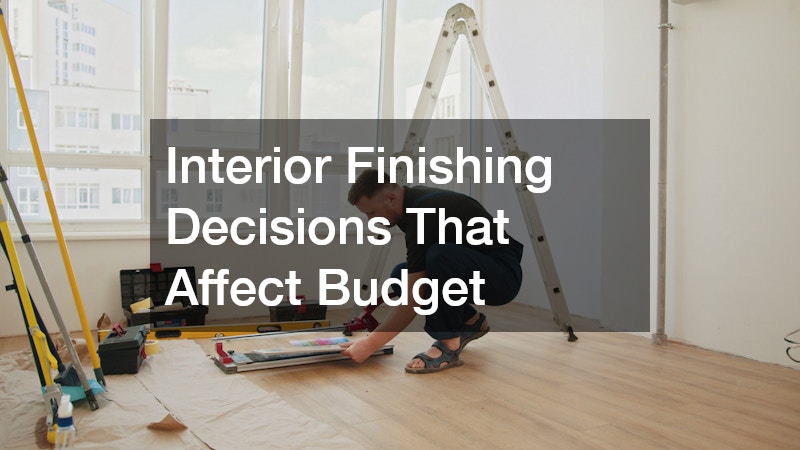
Interior finishes often look simple at first, but they carry a long-term cost impact. Material choice, installation complexity, and maintenance all influence what you end up paying.
Flooring is one of the biggest areas where budget decisions show. Wood flooring installers typically handle more detailed prep work, especially in older homes where leveling is required. That prep work can increase cost, but it also extends the life of the floor.
On the other hand, carpet installations may seem more affordable upfront, but padding quality and room shape can affect total pricing more than expected.
Ways to control interior finish spending:
- Choose consistent materials across multiple rooms when possible
- Avoid mixing too many flooring types unless necessary
- Ask installers about subfloor conditions before committing
- Plan furniture and layout before installation begins
- Balance durability with appearance instead of choosing purely on cost
Interior finishes are where small decisions can either stretch or protect your budget. Thinking ahead here prevents expensive rework later.
Outdoor Work and Structural Improvements
Exterior projects often carry hidden complexity. Ground conditions, drainage, and material durability all affect final cost more than most homeowners expect.
When installing boundaries or improving privacy, a fencing contractor can help you understand material differences and long-term maintenance costs. Cheaper materials may need replacement sooner, increasing lifetime expense.
Outdoor living upgrades also bring in design and grading work. A hardscaping company typically handles patios, walkways, retaining walls, and drainage features. These elements require careful planning because changes after installation are costly.
To keep outdoor budgets under control:
- Confirm property lines before starting fencing work
- Review drainage impact before adding hard surfaces
- Choose materials rated for your climate conditions
- Limit design changes once grading begins
- Combine projects when possible to reduce mobilization costs
Outdoor improvements are long-term investments. Spending more time on planning reduces expensive corrections after installation.
Home Systems and Long-Term Efficiency Costs
Mechanical systems are often overlooked in early budgeting, but they can have the biggest impact on long-term expenses. Efficiency, reliability, and maintenance costs matter just as much as installation price.
Heating and cooling systems should always be reviewed carefully. Working with the best hvac companies helps ensure the system is sized correctly for your home, which prevents wasted energy and uneven performance.
Garage systems also play a role in both convenience and security. Garage door contractors handle installations that affect insulation, safety, and long-term maintenance needs. A poorly installed system can lead to ongoing repair costs.
Budget control tips for systems:
- Prioritize energy efficiency over the lowest upfront cost
- Ask about warranty coverage and service plans
- Avoid oversized or undersized equipment
- Schedule seasonal maintenance to extend system life
- Compare long-term energy use, not just installation pricing
System upgrades often pay for themselves over time, but only when they are selected with long-term use in mind.
Building in a Safety Net for Unexpected Costs
Even the best-planned home projects run into surprises. Old wiring, hidden water damage, or structural quirks often show up once walls or floors are opened. That is why a buffer in your budget is not optional—it is a key part of staying in control.
A common mistake is spending the entire budget before work begins. When unexpected issues appear, decisions become rushed and more expensive. A better approach is to set aside a percentage specifically for unknowns so the project does not stall or force low-quality fixes.
It also helps to treat changes as structured decisions rather than emotional reactions. Every adjustment should be reviewed for cost impact, timeline impact, and long-term value.
Practical ways to prepare for surprises:
- Set aside a contingency fund before work begins
- Ask contractors to flag potential risk areas early
- Review older parts of the home before final budgeting
- Expect minor changes even in well-planned projects
- Keep a record of all adjustments and approvals
When unexpected issues are already planned for financially, the project stays steady instead of becoming reactive.
Managing Changes Without Losing Control of Costs
Mid-project changes are one of the fastest ways to increase spending. Even small adjustments can ripple across labor, materials, and scheduling. This is why change management matters as much as initial planning.
Before approving any change, it helps to understand the full impact. A simple upgrade might require rework in multiple areas, which multiplies the cost beyond the original estimate. Slowing down decisions during active work can actually protect the budget.
Clear communication also plays a major role here. When expectations are documented, there is less confusion about pricing and scope. Verbal agreements tend to lead to misunderstandings that cost more to fix later.
Ways to control change-related spending:
- Require written cost updates before approving changes
- Ask how changes affect other parts of the project
- Avoid making aesthetic changes during installation phases
- Group changes together instead of spacing them out
- Confirm updated timelines after each adjustment
A structured change process keeps spending predictable even when plans evolve.
Smarter Material and Finish Decision-Making

Material selection has a long-term effect on both budget and maintenance. While it is easy to focus on upfront pricing, durability and replacement cycles often matter more over time.
One helpful strategy is comparing the cost per year instead of the cost at purchase. A slightly more expensive material that lasts longer may actually reduce long-term spending. On the other hand, some lower-cost options may require earlier replacement or more frequent maintenance.
It also helps to think about consistency across the home. Mixing too many materials can increase labor complexity and create uneven visual flow, which sometimes leads to additional finishing work.
Budget-conscious material strategies:
- Compare lifespan instead of just upfront cost
- Match materials to actual room usage, not just appearance
- Avoid frequent mid-project upgrades once selections are made
- Check maintenance requirements before final approval
- Keep finish selections consistent across connected spaces
Material decisions are where planning and discipline directly affect your final budget outcome.
Coordinating Work for Maximum Efficiency
A large home project involves many moving parts happening at the same time. Without coordination, delays and repeated work can quickly increase costs. Sequencing becomes just as important as skill level.
When trades are scheduled in the wrong order, work often has to be redone. For example, finishing work too early may damage later installations. That leads to extra labor and wasted materials.
Strong coordination also reduces downtime. When one phase finishes and the next is ready to begin immediately, labor efficiency improves, and overall project duration shortens. Shorter timelines often mean lower total cost.
Ways to improve project coordination:
- Schedule work in clear, logical phases
- Avoid overlapping trades in the same space unnecessarily
- Confirm readiness before each phase begins
- Keep all parties updated on timing changes
- Reduce idle time between project stages
Efficiency is not about rushing. It is about making sure each step supports the next without rework or delays.
Preventing Hidden Costs Through Early Checks
Hidden costs rarely come from big surprises. They usually come from small issues that were missed early in planning. Inspections, measurements, and early evaluations help reduce this risk significantly.
One of the most common causes of budget overruns is incomplete assessment before work begins. Small structural issues, outdated systems, or code compliance problems can all create added expense once discovered mid-project.
Early checks allow you to make informed decisions instead of reactive ones. They also give you time to adjust the scope or budget before work is underway, which is always less expensive than fixing problems during construction.
Helpful early-stage checks include:
- Full property inspection before project approval
- Review of existing electrical, plumbing, and structural systems
- Measurement verification before ordering materials
- Local code review for required updates
- Assessment of access points for equipment and labor
When potential issues are identified early, they become part of the plan instead of surprise expenses.
Final Thoughts on Staying Financially Grounded

Keeping a home improvement project on budget relies more on structured decision-making than strict limits. Every phase—from planning and selecting materials to scheduling tasks and managing changes—affects the overall outcome.
To start, create a comprehensive plan with clear goals and a detailed timeline. This helps prioritize tasks and ensures critical areas are addressed first. Researching and comparing materials can minimize costs while ensuring durability and long-term value.
Effective communication is essential. Keeping everyone involved—whether contractors or family—on the same page reduces misunderstandings and costly errors. Regular check-ins streamline workflow and reinforce project scope.
Flexibility is key when addressing unexpected challenges, such as hidden damage or design adjustments. Approaching these changes calmly allows for thoughtful decisions, rather than rushed reactions.
By planning steadily and maintaining realistic expectations, you can reduce stress and avoid unnecessary spending. This leads to a home that improves in both value and functionality, creating a comfortable space that meets your needs. Celebrate small milestones along the way to keep morale high and reinforce your commitment to intentional, cost-effective choices.