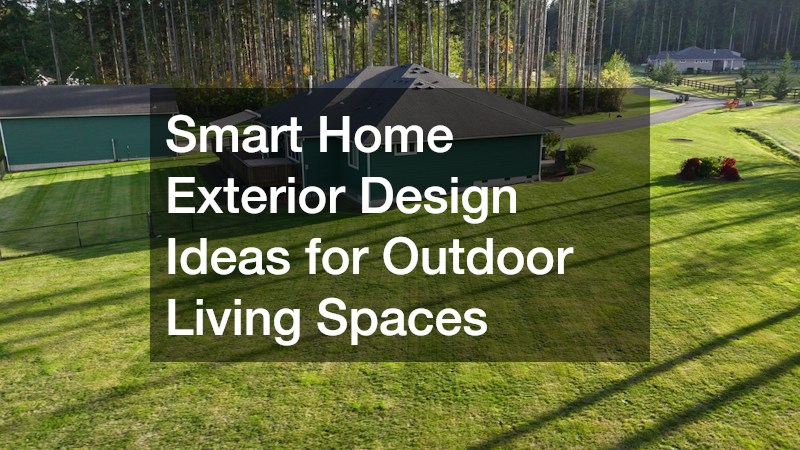
Over the past decade, the residential backyard has transformed. What was once a simple patch of lawn accommodating a basic grill and plastic chairs has evolved into a highly sophisticated extension of the home. Today, outdoor spaces serve as open-air kitchens, remote-work retreats, and dynamic evening entertainment hubs. This shift is largely driven by the desire to blur the lines between interior comfort and exterior natural beauty. However, the true catalyst for this evolution is the integration of connected technology. Bringing smart capabilities to your exterior is not about cluttering your garden with intrusive gadgets; rather, it is about creating an invisible layer of convenience, energy efficiency, and year-round comfort. When thoughtfully executed, this layer anticipates your needs, adjusts to environmental shifts, and enhances the atmosphere without requiring constant manual adjustments. Create a step-by-step blueprint for achieving that seamless integration. From laying crucial underground infrastructure and designing intelligent hardscapes to installing automated shading, responsive lighting, predictive watering systems, and advanced perimeter security, discover how to elevate your property into a frictionless, modern oasis.
Map Out Functional Outdoor Zones and Concealed Power Hubs Before Breaking Ground
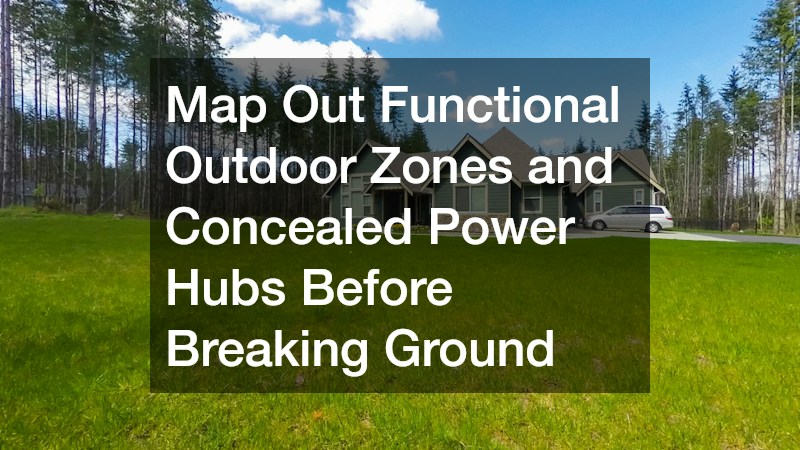
Before a shovel breaches the soil, a successful exterior renovation requires meticulous spatial planning and a robust strategy for subterranean infrastructure. The foundation of any intelligent backyard begins with dividing the property into purpose-driven activity pockets. Imagine carving out dedicated micro-zones for distinct experiences: a high-heat cooking area equipped with ventilation, a fireside conversation pit for socializing, a shaded workspace for afternoon productivity, and a secluded wellness nook for meditation. These areas should not feel isolated; they must be connected by natural visual sightlines and intuitive traffic flow that encourages movement. Achieving this balance often requires bringing in a professional landscape design service to ensure plant palettes, sun exposure, and Wi-Fi mesh network coverage align perfectly with your smart automation hubs. A master plan transforms piecemeal upgrades into a cohesive environment where technology and nature coexist.
Equally critical is the invisible power grid bringing your smart features to life. Future-proofing your yard means installing dedicated sub-panels, ground-fault circuit interrupter protected smart receptacles, low-voltage transformers, and buried PVC conduits before pouring concrete or laying artificial turf.
- Running conduit sleeves under walkways during the initial build saves thousands of dollars in exploratory trenching later when you add a motorized pergola or a new audio zone.
- Heavy-draw appliances like infrared patio heaters, outdoor refrigerators, and weatherproof media walls require substantial amperage that standard exterior outlets cannot safely provide.
- Strategic placement of high-speed outdoor wireless access points guarantees that streaming music and real-time security alerts operate without frustrating lag.
To manage these demands safely without overloading primary indoor circuits, securing licensed electrical services is non-negotiable. Properly engineered power distribution ensures your smart yard remains reliable, safe from weather-induced short circuits, and ready to accommodate whatever new automated technology emerges.
Upgrade Walkways and Gathering Areas with Permeable, Heated, and Sensor-Lit Surfaces
The ground beneath your feet plays a crucial role in both the aesthetic and technological capability of your outdoor space. Modern exterior design has moved far beyond rigid, uninspired concrete slabs. Today, the focus is on organic curves, warm earthy tones utilizing materials like natural clay, sand-set flagstone, and thermally modified timber, and multi-tiered seating walls that naturally define your gathering areas. When constructing these elements, the goal is to embed technology so deeply into the architecture that it virtually disappears. Experienced hardscaping contractors possess the specialized skills required to seamlessly integrate Bluetooth and Wi-Fi-enabled rock speakers, automated electronic-ignition gas fire tables, and recessed under-cap light-emitting diode strips directly into your masonry. This integrated approach eliminates the visual clutter of exposed wires and bulky standalone devices, resulting in a clean architectural finish feeling entirely organic to the landscape.
Beyond aesthetics, the functionality of your paved surfaces can be drastically enhanced through smart technology. Traditional solid driveways and patios often contribute to stormwater runoff issues and uncomfortable heat-island effects. Using permeable interlocking pavers allows rainwater to percolate back into the water table, mitigating erosion and keeping the surrounding environment cooler. But the true technological leap occurs when these surfaces are winterized.
- Smart snow-melt systems utilize hydronic tubing or electric heating cables installed directly beneath the permeable surface to manage winter weather autonomously.
- These systems rely on a network of advanced moisture and temperature sensors constantly monitoring ambient conditions.
- When sensors detect freezing temperatures combined with precipitation, the system activates automatically, warming the stones enough to melt snow and ice upon contact.
By collaborating with a dedicated paving contractor, you ensure sub-surface heating systems are properly calibrated and zoned. This prevents manual shoveling, stops environmental damage caused by corrosive de-icing salts, and ensures walkways remain safe and accessible.
Extend Seasonal Comfort with Motorized Shade Systems and Integrated Deck Tech
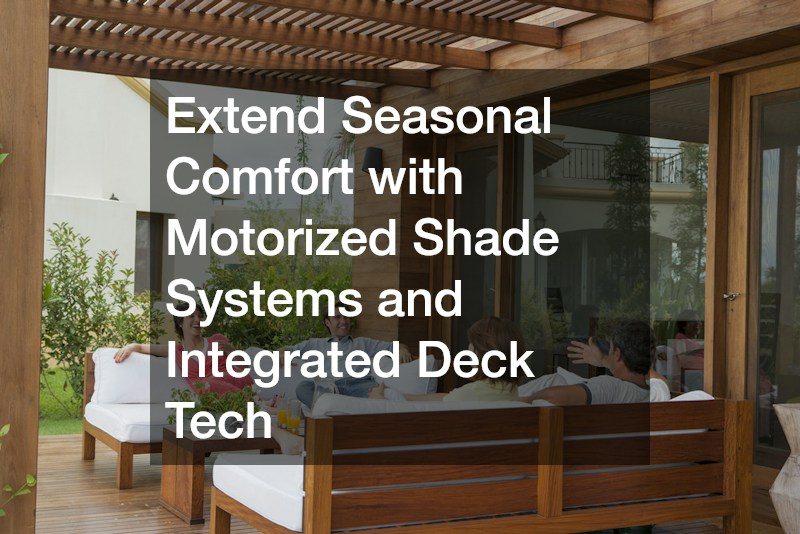
Maximizing the return on your outdoor investment means ensuring the space remains comfortable and usable across multiple seasons, despite unpredictable weather. Multi-level composite platforms have become the gold standard for creating seamless transitions between indoor and outdoor living rooms. When selecting materials, capped composite and thermally modified wood offer superior durability, resistance to rot, and incredibly low maintenance compared to traditional lumber. More importantly, these modern decking systems easily accommodate the hidden infrastructure necessary for a smart home. Custom deck builders are adept at engineering structural footings robust enough to support heavy architectural features like louvered pergolas, fully outfitted outdoor kitchens, or backyard saunas. Furthermore, they flawlessly route concealed wiring beneath the floorboards to power smart stair-riser lighting, flush-mounted pop-up charging stations, and built-in subwoofers, ensuring the deck surface remains unblemished and free of tripping hazards.
Once the foundation is set, managing the immediate climate above the deck becomes the next priority. The biggest barriers to evening outdoor living are often nuisance insects, sudden wind gusts, and the harsh glare of the late-afternoon sun. Traditional fixed screens can make a patio feel claustrophobic and disconnect you from the broader landscape.
- Motorized shading systems offer a dynamic solution, allowing you to instantly transform an open-air pavilion into a protected sanctuary with the tap of a smartphone screen or a voice command.
- These systems utilize heavy-duty, solar-blocking, and insect-proof mesh that glides smoothly on tracked channels.
- When paired with smart home ecosystems, these automated screens can react immediately to environmental triggers without human intervention.
Installing a motorized patio screen enclosure equipped with integrated wind and sun sensors means your space manages itself. If ultraviolet levels spike, screens lower to protect furniture from fading and cool the ambient temperature. If a sudden thunderstorm rolls in, sensors command the mesh to retract cleanly into hidden housings.
Layer App-Controlled Circadian Lighting and Keep Low-Voltage Circuits Reliable
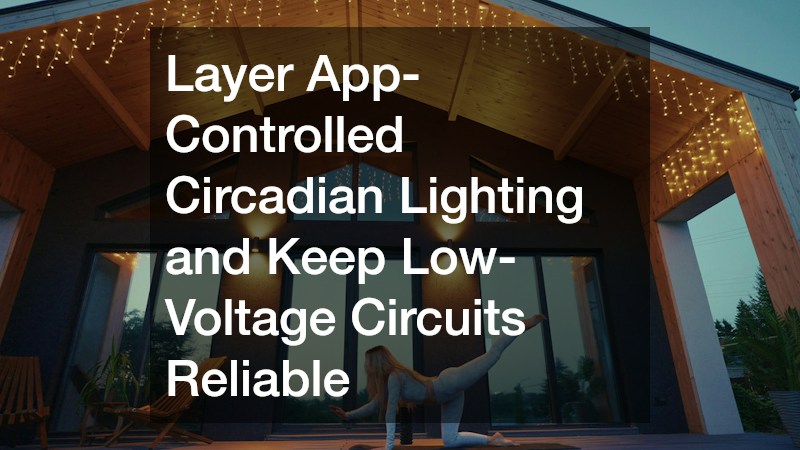
Lighting is arguably the most powerful tool in exterior design, capable of completely altering the mood, perceived size, and safety of your property after dark. A truly intelligent yard abandons the outdated approach of a single, glaring floodlight in favor of a nuanced, three-layered outdoor lighting formula. The foundation involves low-glare path markers that safely guide footsteps without blinding pedestrians. The second layer introduces directional uplights to highlight the architectural textures of your home, the rugged bark of mature trees, and the movement of water features. Finally, warm, dimmable downlights are suspended over dining tables to foster an intimate, inviting atmosphere. By integrating smart, color-tunable light-emitting diodes, this entire system adapts to biological needs. You can program dusk-to-dawn scenes shifting seamlessly from crisp, energizing daylight tones during an afternoon work session to warm, amber circadian hues as evening approaches. These warmer tones help preserve dark-sky comfort, support natural sleep cycles, and actively deter phototactic insects typically drawn to blue light.
However, the sophistication of app-controlled lighting depends entirely on the reliability of the underlying circuitry. Low-voltage systems, while safe and energy-efficient, are susceptible to environmental degradation over time.
- Routine maintenance is essential, including inspecting waterproof silicone wire nuts for moisture intrusion, cleaning mineral deposits off glass lenses, and updating smart transformer firmware to prevent connectivity drops.
- Homeowners must be vigilant about voltage drops, which occur when too many fixtures are daisy-chained on a single run, causing lights furthest from the power source to visibly dim.
- Ground shifting and freeze-thaw cycles can slowly expose buried cables, putting them at risk of damage from lawn care equipment.
When preventative maintenance isn’t enough, it is crucial to know when to call a professional for landscape lighting repair. Whether diagnosing underground cable nicking from seasonal soil aeration, balancing transformer loads across expanded entertainment zones, or replacing corroded low-voltage sockets before a circuit fails, expert intervention keeps your sanctuary glowing.
Pair Weather-Predictive Drip Zones with Proactive Canopy Health Management
Maintaining a lush, vibrant exterior environment requires a delicate balance of precise hydration and proactive botanical care. Traditional clock-based sprinkler systems are notoriously inefficient, often spraying thousands of gallons of water onto sidewalks or running during torrential downpours simply because a timer commanded it. The intelligent approach eliminates this water waste through the use of evapotranspiration controllers and in-ground soil-moisture sensors. Modern smart controllers pull hyper-local weather data, real-time wind speeds, and precise moisture readings from your yard to dynamically adjust watering schedules. If rain is forecasted, or if the soil remains damp from a previous storm, the system automatically skips unnecessary cycles. To maximize this technology, partnering with a forward-thinking irrigation company is highly recommended. They can retrofit outdated, inefficient rotary spray heads into high-efficiency micro-drip zones. These targeted drip lines deliver water directly to the root zones of native perennials, raised culinary herb beds, and delicate container planters, dramatically reducing evaporation and cutting total outdoor water consumption by up to fifty percent.
While managing water is critical for ground-level flora, looking upward is equally important when maintaining a smart yard. The interplay between mature tree canopies and exterior technology is a frequently overlooked aspect of property management. Overgrown branches can cast heavy shadows that block the efficiency of roof-mounted solar panels or interfere with ambient light sensors controlling your automated shades.
- Dense foliage can obstruct the vital sightlines of your outdoor security cameras, creating blind spots in your surveillance perimeter.
- During severe weather, dead or structurally compromised limbs pose a significant threat to expensive outdoor living structures, pergolas, and overhead string lighting.
- Aggressive root systems can heave concrete pathways, disrupt carefully laid permeable pavers, or crush subterranean electrical conduits if not properly managed.
Engaging arborist-led tree services ensures your mature canopy remains an asset rather than a liability. These professionals perform selective crown thinning to improve light penetration, conduct root-zone aeration to prevent hardscape damage, and install structural cabling to fortify ancient shade trees against high winds.
Combine Automated Perimeter Gates and Acoustic Barriers for Effortless Privacy

A luxury outdoor space must offer a sense of sanctuary, shielding you from the intrusions of the outside world while maintaining a welcoming aesthetic. Achieving this requires moving beyond traditional chain-link or basic stockade barriers and embracing modern boundary designs that integrate physical security and acoustic management. Contemporary horizontal slatted wood, advanced composite materials, and powder-coated aluminum boundary walls are engineered to visually enclose the property while allowing crucial cross-breeze airflow. More importantly, these heavy, dense materials act as highly effective acoustic barriers, dampening neighborhood noise, traffic hums, and the sounds of nearby lawnmowers, creating a quieter, more peaceful micro-climate within your yard.
The boundary of your property is also the first line of defense in your smart home security ecosystem. Integrating technology at the edge of your property ensures complete control over who enters your sanctuary.
- Motorized sliding driveway gates can be linked to geofencing applications on your smartphone, opening automatically as your vehicle approaches.
- Smart keypad pedestrian latches provide temporary, trackable access codes for landscapers, pool cleaners, or guests, eliminating the need for physical keys entirely.
- Concealed conduit runs built directly into boundary pillars allow for the hardwiring of Power over Ethernet security cameras, ensuring uninterrupted video feeds that never rely on spotty edge-of-property Wi-Fi.
Working with specialized fence contractors ensures these technological elements are not merely bolted onto the outside of the barrier as an afterthought. Instead, they are seamlessly integrated into the structural design, providing robust security, effortless app-based package delivery monitoring, and uncompromising aesthetic elegance that elevates the entire perimeter.
Transforming a standard backyard into a connected living space is an ambitious undertaking, but it does not require an all-at-once overhaul. Adopting a phased implementation strategy allows you to build out your property logically and financially. Always start with the foundational elements: trenching the necessary power and data infrastructure and establishing your core structural zones. Once the skeleton of your smart yard is in place, you can comfortably begin layering the experiential technology, adding responsive lighting, automated retractable screens, and predictive landscape controls over time. The return on this investment is measured not just in increased property equity, but in a profound elevation of your daily lifestyle. Thoughtful exterior automation lowers ongoing utility and maintenance costs while effortlessly expanding your home’s usable square footage. To begin, audit how you currently use your yard, identify your most significant friction point, and let that guide your first smart upgrade.