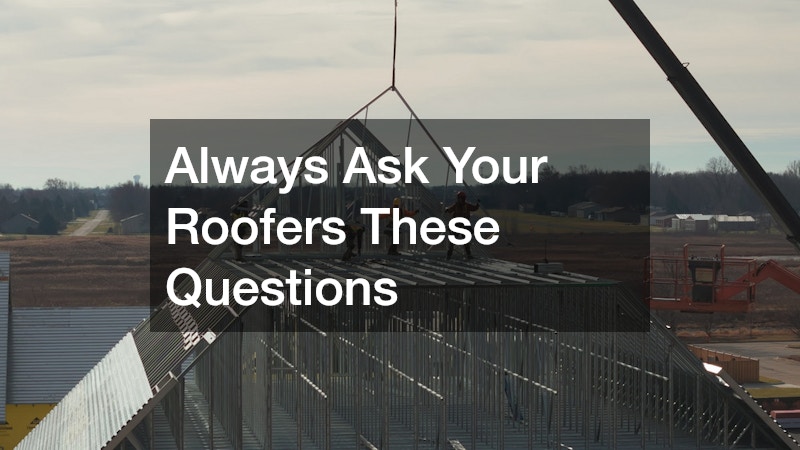
Understanding the right questions to ask your roofers is crucial in ensuring you receive quality service and a roof that stands the test of time. Whether you’re dealing with repairs or a complete roof replacement, being informed can help you make the best decisions for your home. It’s not just about choosing the lowest bid; it’s about finding the right contractor with the right expertise and commitment to quality.
At the heart of an informed decision is knowing what to ask and how to evaluate the answers you receive. By focusing on key questions, homeowners can unlock vital information that will guide their contractor selection process.
This proactive approach not only aids in obtaining competitive pricing but also in aligning expectations regarding timelines, safety, and after-service support.
Moreover, knowledge empowers homeowners in discussions, allowing them to actively participate in decision-making. This collaborative spirit helps ensure the best possible outcome, resulting in a roof that provides lasting protection and enhances the overall value of the property. Armed with these questions, homeowners can confidently approach roofing projects with clarity and purpose.
1. What is the Estimated Timeframe for Completion?
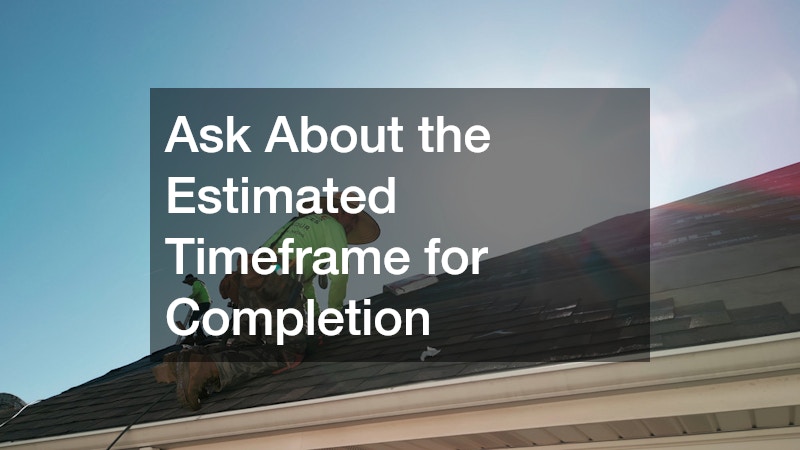
Estimating the timeframe for the completion of a roofing project is essential to meeting both the contractor’s and the homeowner’s expectations. A clear timeframe helps in setting expectations, ensuring that the project fits within the homeowner’s schedule and any weather constraints specific to the area. Moreover, it allows homeowners to plan around potential disruptions, ensuring that their daily routines face minimal interference.
It’s important to consider that a realistic timeframe is often indicative of a contractor’s experience and understanding of the project complexities. Rushed jobs can lead to potential issues with quality and safety, compromising the integrity of the roofing work. Hence, inquiring about timeframes not only aids in planning but also serves as a checkpoint for evaluating the seriousness and reliability of a roofing contractor.
Finally, asking about the timeframe can also open up discussions around potential delays, such as adverse weather conditions or supply chain disruptions. A transparent dialogue about these factors indicates a contractor’s willingness to maintain open communication, a vital component of a successful roofing project. Ensuring clarity in this aspect helps homeowners manage expectations effectively while keeping stress at bay during the project.
2. What Type of Warranty Do You Offer?
A warranty is a guarantee of reliability and quality, offering peace of mind to homeowners about their roofing investment. Knowing the type and details of a warranty helps homeowners understand the extent of coverage and any conditions that might apply. This knowledge is vital in assessing future repair costs and ensures that the roofing contractor stands by their workmanship.
Roofing warranties can vary significantly, ranging from workmanship guarantees to material-specific warranties provided by manufacturers. It’s essential to discern who provides the warranty and what is covered under it, to avoid any unpleasant surprises should an issue arise. Additionally, understanding the terms can guide homeowners in making informed decisions about maintenance and repairs post-completion.
Moreover, a contractor willing to offer a strong warranty often reflects their confidence in their skills and commitment to customer satisfaction. On the contrary, vague or limited warranties can be a red flag, potentially signaling subpar quality or lack of experience. Therefore, an in-depth discussion on warranties equips homeowners with the information needed to alleviate concerns and build greater trust with their chosen roofer.
3. Can You Provide References or Testimonials?
Requesting references or testimonials is a cornerstone in evaluating a roofer’s past performance and reputation. Genuine reviews from previous clients provide insights into the contractor’s professionalism, adherence to timelines, and quality of work. Additionally, they highlight the contractor’s ability to handle unexpected challenges, which is an invaluable trait in diverse roofing scenarios.
Testimonials often serve as a testament to positive experiences and reflect the level of customer satisfaction achieved by the roofing contractor. Positive references are not just endorsements of quality workmanship but also indicators of how the contractor interacts with clients, maintains communication, and delivers on promises. These elements are crucial in ensuring a smooth and successful roofing process.
While solid references can boost confidence in a roofer’s capabilities, a lack of them warrants further scrutiny or even reconsideration. Prospective clients should interpret the contractor’s eagerness to supply references as a measure of transparency and accountability. Investing time in this due diligence can protect homeowners from potential pitfalls, thus ensuring peace of mind and satisfactory results.
4. What Safety Measures Will You Implement?
Safety cannot be overemphasized when discussing roofing projects, given the inherent risks involved. Contractors should be willing to disclose the detailed safety protocols and measures they will implement on the job site. The safety of workers, as well as that of the residents, is paramount, and understanding these protocols helps in safeguarding everyone involved.
Proper safety measures are indicative of a contractor’s professionalism and commitment to upholding industry standards. This includes ensuring that workers are equipped with appropriate safety gear, adherence to OSHA standards, and emergency preparedness plans. By inquiring about safety, homeowners can evaluate the contractor’s dedication to creating a secure working environment.
Additionally, understanding these measures can also instill confidence in homeowners about the integrity and quality of the work being done. A focus on safety minimizes the likelihood of accidents and project delays, ensuring everything remains on schedule. Ultimately, prioritizing safety reflects a contractor’s respect for the craftsmanship of roofing and the well-being of everyone involved in the project.
5. Are You Licensed and Insured?
Ensuring that your roofer is both licensed and insured is fundamental to protecting your home and investment. Licensing is more than a formality; it represents a contractor’s knowledge in accordance with local building codes and safety regulations. Insurance, on the other hand, provides a safety net in case of accidental damages or injuries occurring during the project.
Homeowners must request to see proof of both the license and insurance coverage. This serves as verification of the contractor’s legitimacy and commitment to protection in unforeseen incidents. Licensure and insurance not only safeguard financially but also reinforce peace of mind, eliminating potential liabilities on the homeowner’s part.
Furthermore, selecting a licensed and insured contractor demonstrates higher professionalism and reliability. It assures compliance with legal standards and ethical guidelines, instilling confidence in the overall execution of the project. Prioritizing these credentials enables homeowners to make secure choices and trust in the quality of service they will receive.
By asking these key questions, you equip yourself with the necessary information to make an informed decision when hiring a roofing contractor. It empowers homeowners to safeguard their homes by ensuring quality workmanship and service, potentially saving money and stress in the long term. This diligence in selecting a roofer not only assures quality but also fosters a smooth, hassle-free roofing process.
Homeowners should embrace the opportunity to engage with potential contractors, seeking transparency and clarity in all discussions. These interactions form the basis for establishing trust, ensuring homeowners’ expectations align with the contractor’s capabilities. A methodical approach in choosing the right roofer transforms what might seem daunting into a manageable process.
Ultimately, the preparation and attention to detail invested through these conversations translate to enhanced safety, security, and satisfaction with the roofing project. Every homeowner deserves to feel confident in the structure that shelters them, and through informed choice, this goal is not only achievable but certain.